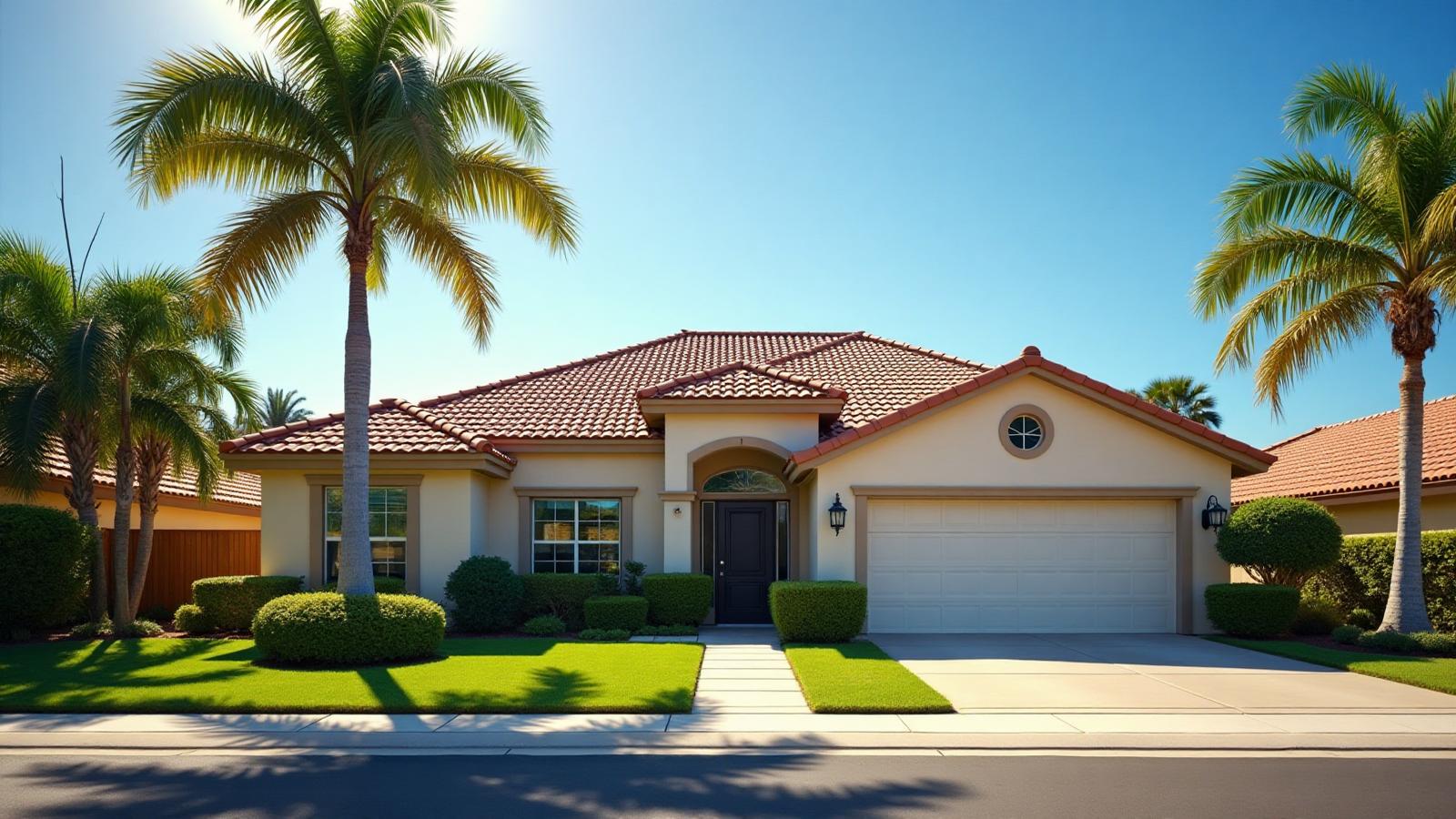
I spent three summers working roofing jobs in San Antonio, and let me tell you: the heat is no joke. We'd start at 6 AM because by noon, the surface of an asphalt shingle roof would hit 160°F. Touch it with your bare hand for more than a second and you'd get a second-degree burn.
One particular job stands out. We were replacing a roof on a house that had basic 3-tab asphalt shingles installed maybe 12 years earlier. The homeowner was furious—the manufacturer claimed 25-year lifespan, but these shingles were curled, cracked, and losing granules like crazy. "Did I get ripped off?" he asked.
Nope. He just picked the wrong material for the climate. Those shingles weren't designed to handle 100+ days per year of 100°F+ temperatures and relentless UV radiation. Put the same shingles on a house in Oregon and they'd probably last 20+ years. In Texas? 12 years was actually decent.
If you live in a hot state—Texas, Florida, Arizona, Nevada, New Mexico, Southern California—your roofing material choice matters WAY more than it does in moderate climates. Here's what actually works when the heat is trying to destroy your roof 365 days a year.
What Makes a Material "Hot Climate Friendly"?
Before we dive into specific materials, you need to understand what makes a roof succeed or fail in extreme heat:
UV Resistance: The sun's ultraviolet rays break down organic materials, degrade asphalt, and fade colors. Materials need to withstand decades of intense UV without crumbling.
Heat Reflectivity (Albedo): Light-colored materials reflect sunlight, staying cooler. Dark materials absorb heat, reaching higher surface temperatures and transferring more heat into your attic. This matters for durability AND energy bills.
Thermal Expansion Tolerance: In hot climates, roofs expand during the day (sometimes by inches across a large roof) and contract at night. Materials that can't handle this movement crack and fail.
Wind Resistance: Many hot states (Florida, coastal Texas) also get hurricanes and severe storms. Your roof needs to stay attached when winds hit 120+ mph.
Fire Resistance: Wildfires are a growing concern in the Southwest. Materials that can resist embers and flames matter in fire-prone areas.
Hot Climate Roofing Materials: Ranked
| Material | Heat Performance | Lifespan (Hot Climate) | Cost per Sq Ft | Best For |
|---|---|---|---|---|
| Clay/Concrete Tile | 50+ years | $10-$18 | Southwest dry heat | |
| Metal (Light Colors) | 40-50 years | $7-$14 | All hot climates | |
| Cool-Roof Shingles | 20-25 years | $5-$8 | Budget-conscious, moderate heat | |
| Standard Architectural Shingles | 18-22 years | $4.50-$7 | Mild hot climates, short-term | |
| TPO/PVC (Flat Roofs) | 20-25 years | $5-$10 | Commercial, flat residential | |
| Basic 3-Tab Shingles | 12-15 years | $3.50-$5.50 | Avoid in extreme heat |
The Best Options, Explained
1. Clay or Concrete Tile (The Gold Standard for Hot, Dry Climates)
If you've ever been to Arizona, New Mexico, or Southern California, you've seen tile roofs everywhere. There's a reason: they're practically indestructible in hot, dry climates.
Why They Work:
- Clay and concrete don't degrade from UV. The sun can't hurt them.
- The shape creates an air gap between tiles and roof deck, allowing heat to escape rather than soaking into your attic.
- Light colors (terracotta, tan, white) reflect heat instead of absorbing it.
- They're fireproof—Class A fire rating, the best you can get.
- Extremely durable. I've seen 80-year-old tile roofs in perfect condition.
Downsides:
- Heavy. Requires strong roof structure, sometimes additional framing.
- Expensive upfront. Expect $15,000-$30,000+ for a typical home.
- Can crack from impact (hail, fallen branches).
- Installation requires specialized skills—not every roofer knows how to do it right.
Best For: Homeowners in Arizona, New Mexico, Southern California, and Texas who want maximum longevity and don't mind the upfront cost. If you're staying in the house 20+ years, tile pays for itself.
2. Metal Roofing (The Versatile Winner)
Metal roofs have exploded in popularity over the past decade, especially in hot states. I install more metal roofs now than I did 10 years ago, and for good reason.
Why It Works:
- Reflects heat like crazy, especially light-colored or coated metal. Surface stays 50-60°F cooler than asphalt.
- Doesn't degrade from UV or heat. Metal doesn't dry out, crack, or curl.
- Excellent wind resistance—properly installed metal roofs can handle hurricane-force winds.
- Lasts 40-50 years with minimal maintenance.
- Lightweight compared to tile, works on most roof structures.
- Energy efficient—can cut cooling costs by 10-25%.
Downsides:
- Noise during heavy rain or hail (though proper insulation minimizes this).
- Can dent from large hail in severe storms.
- Higher upfront cost than asphalt, though less than tile.
- Some HOAs restrict metal roofs for aesthetic reasons.
Best For: Homeowners in Florida, Texas, Arizona, Nevada who want long-term durability, energy savings, and storm protection. Great all-around choice for hot climates. Check out our comparison of metal vs shingle roofs for more details.
3. Cool-Roof Asphalt Shingles (The Budget-Friendly Option)
"Cool roof" shingles are architectural shingles with special reflective granules that bounce back more sunlight. They're not as effective as tile or metal, but they're way better than standard shingles in hot climates.
Why They Work:
- More affordable than tile or metal—closer to standard shingle pricing.
- Reflective granules reduce surface temperature by 20-30°F compared to standard shingles.
- Longer lifespan than basic shingles in hot climates (20-25 years vs 15-18).
- Energy Star rated options can qualify for rebates or tax credits.
- Easier to find contractors who can install them.
Downsides:
- Still not as durable as tile or metal. Will need replacement sooner.
- Performance varies by brand—some "cool roof" claims are marketing fluff.
- Light colors show dirt and algae staining more in humid climates.
Best For: Homeowners on tighter budgets who still want decent heat performance. Good middle-ground option for Texas, inland Florida, and other hot but not extreme climates.
4. Standard Architectural Shingles (Acceptable, But Not Ideal)
Regular architectural shingles can work in hot climates, but they're not optimized for it. You'll get 18-22 years if you're lucky, and they'll look faded and worn long before that.
Only go this route if budget is tight and you're planning to sell within 10 years. Otherwise, invest in something better.
5. Avoid: 3-Tab Shingles and Wood Shakes
Don't even consider basic 3-tab shingles in hot states. They'll curl and fail fast. And wood shakes? Terrible idea. They dry out, crack, and present a major fire hazard in wildfire-prone areas. Just say no.
Special Considerations for Florida (Hot + Humid + Hurricanes)
Florida is a special case because you're not just dealing with heat—you've got high humidity, frequent rain, and hurricane-force winds. This changes the equation.
Best for Florida:
- Metal roofs: Top choice. Wind resistant, won't support algae/mold, lasts forever.
- Concrete tile: Heavy enough to resist wind, durable, but can crack from flying debris.
- Architectural shingles with high wind rating: Look for shingles rated for 130+ mph winds and algae-resistant granules.
In Florida, wind rating and algae resistance matter as much as heat performance. Make sure whatever you choose meets or exceeds Florida Building Code requirements for your wind zone.
Color Matters (More Than You Think)
In hot climates, roof color significantly impacts both roof lifespan and energy costs.
Light colors (white, tan, light gray):
- Reflect 60-80% of sunlight
- Stay 40-60°F cooler than dark roofs
- Extend material lifespan by reducing thermal stress
- Cut cooling costs by 10-20%
Dark colors (black, dark brown, dark gray):
- Absorb 80-95% of sunlight
- Surface temps can hit 180°F+
- Age faster, fade more, lose granules quicker
- Increase attic temperature and AC workload
If your HOA allows it, go light-colored. Your roof and your electric bill will thank you.
"I've replaced dozens of black shingle roofs in Texas that failed after 12-14 years. Same homeowners, same houses, switched to light-colored metal or tile, and those roofs are still going strong 20 years later. Color isn't cosmetic in hot climates—it's functional."
Don't Forget: Attic Ventilation and Insulation
Even the best roofing material won't perform well if your attic is a 150°F oven. Proper ventilation (ridge vents, soffit vents) and insulation are critical in hot climates.
I've seen $20,000 tile roofs fail early because the attic had zero ventilation and the underlayment cooked from below. Don't make that mistake. Invest in proper ventilation when you replace your roof.
My Recommendations by Hot State
Arizona/New Mexico (Dry Heat): Tile first choice, metal second. Go light-colored. Budget for tile if you're staying long-term.
Texas (Varied): Metal works everywhere. Tile great in South/West Texas. Cool-roof shingles acceptable in North Texas if budget is tight.
Florida (Humid + Hurricanes): Metal is king. Concrete tile if you want traditional look. High-wind shingles as budget option. Prioritize wind rating and algae resistance.
Nevada/Southern California: Tile for desert areas. Metal for everything. Cool-roof shingles if HOA requires shingle aesthetic.
Final Thoughts
Living in a hot state means your roof takes a beating. Don't cheap out with materials designed for moderate climates. Invest in something that's built for the heat, and you'll save money long-term through longer lifespan and lower energy bills.
And if a contractor tries to sell you cheap 3-tab shingles in Phoenix or wood shakes in wildfire country, find a different contractor. They're either ignorant or dishonest, neither of which you want working on your roof.
Use our roofing cost guide to compare pricing for different materials in your area, and choose something that'll actually last in your climate.

ProRoofCalc Editorial Team
This guide was researched and written by the ProRoofCalc data team. We analyze thousands of local roofing quotes, material costs, and 2026 market trends to bring US homeowners the most accurate and transparent roofing estimates available online. No bias, just data.